
Environment
OUR COMMITMENT, IN WRITING
On the road to a more sustainable world
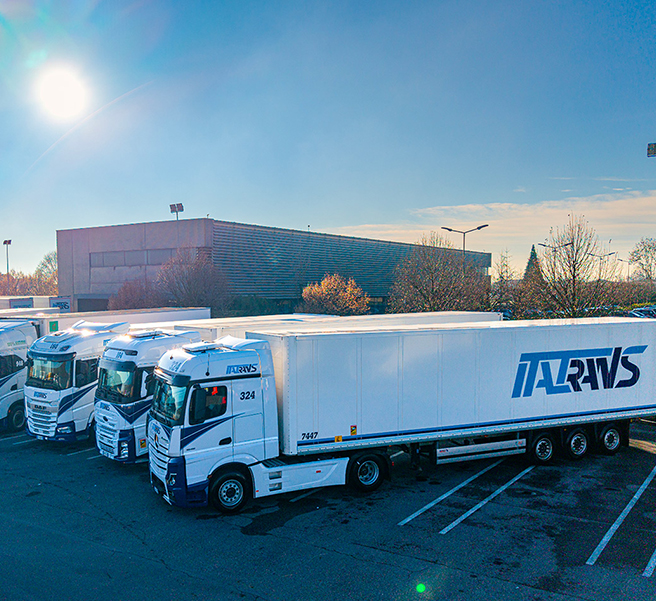
Operating responsibily in the logistics and transport sector requires tackling new challanges every day for a sustainable future. Italtrans has been committed for years to improving its environmental impact, offering increasingly innovative solutions that deliver value to its customers and involve its team members in achieving this goal.
This commitment translates into promoting greater awareness and responsibility towards the environment and community. But that’s not all. Improving energy efficiency in offices and warehouses and reducing transport emissions play a central role in business management.
INTEGRATED LOGISTICS
Key words: renewable energy and efficiency
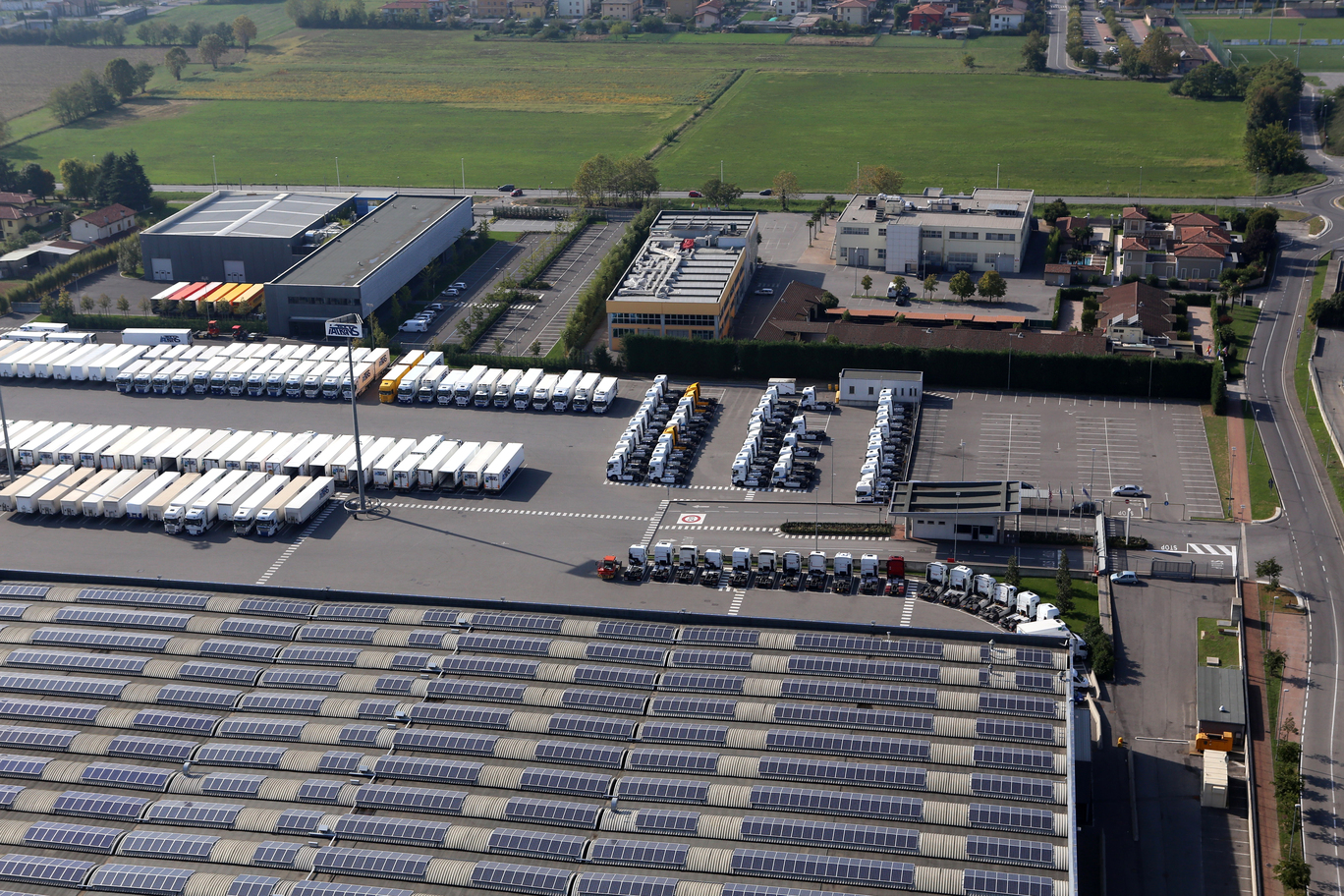
The photovoltaic parks installed on the warehouses have a total power of 24 MWp, which has generated total saving of 5,978 tons of CO2 since 2020. The new warehouses, designed to have a low environmental impact, use lithium batteries for intralogistics mobility and more than five different technologies for the automation of logistics departments, in order to improve working conditions for people in the department.
The room insultation spaces prevents heat loss during the winter and keeps the buildings cool in the summer. LED lighting further reduces energy consumption.
TRANSPORT
Reducing emissions to do better
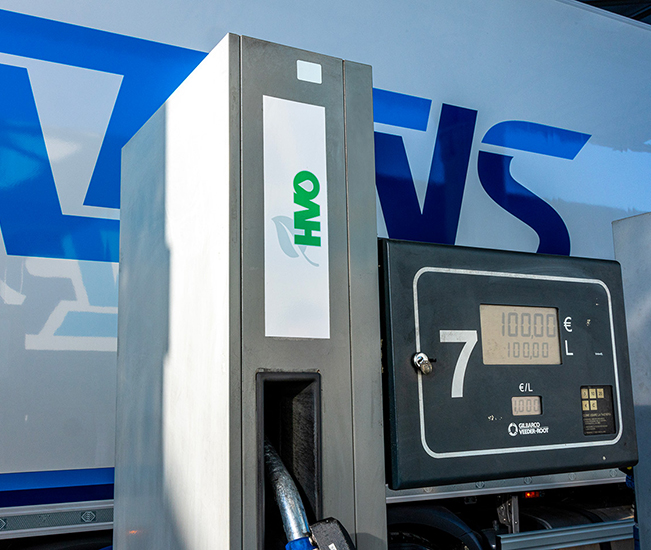
Italtrans uses an optimized travel and delivery management system to reduce empty runs. The fleet, which is constantly being renewed, has a 68% share of Euro 6 vehicles and 10% LNG vehicles. Since 2004, HVO fuel has been in use, a biodegradable vegetable oil obtained from waste materials according to the principles of the circular economy, which leads to a reduction in greenhouse gas emissions of between 60% and 90%.
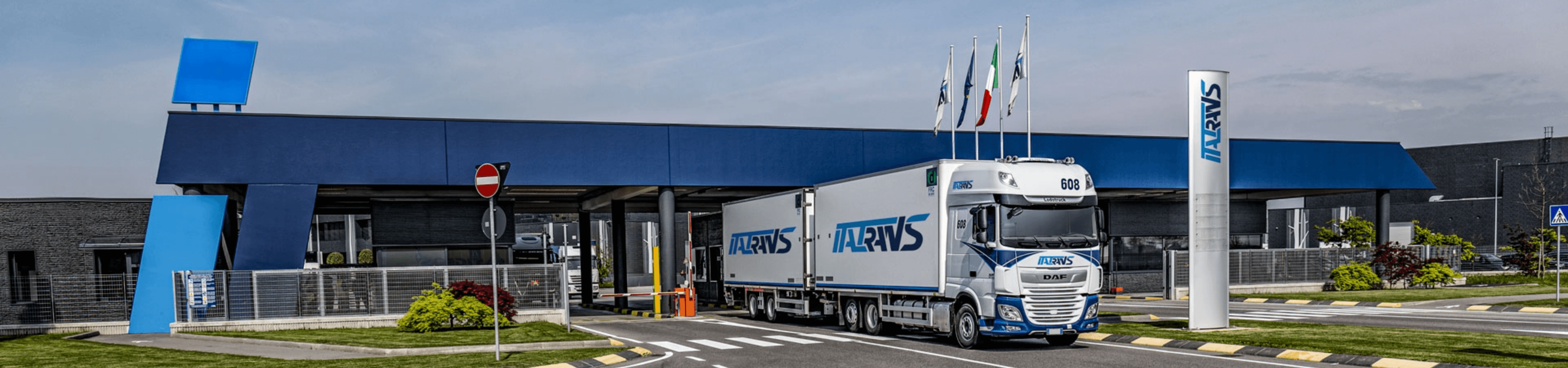
The company is also continuing to experiment with eletric vehicles and zero-impact gas refrigeration. Finally, the use of extended-capacity trucks under Project Eighteen avoids the transit of 4,000 additional vehicles on the roads each year, while transporting the same amount of goods.
ENVIRONMENTAL POLICY
Planning for sustainability
Conscious waste management and recovery, monitoring of plant consumption, efficient use of water resources through the creation of rainwater collection basins, reduction of empty trips. These are some of the concrete measures defined in the Group’s Environmental Policy, which are shared and disseminated at various levels within the company in order to reduce the impact of our activities on the environment and enhace the reputation and trust that our partners and customers place in us.